Research2022–2023
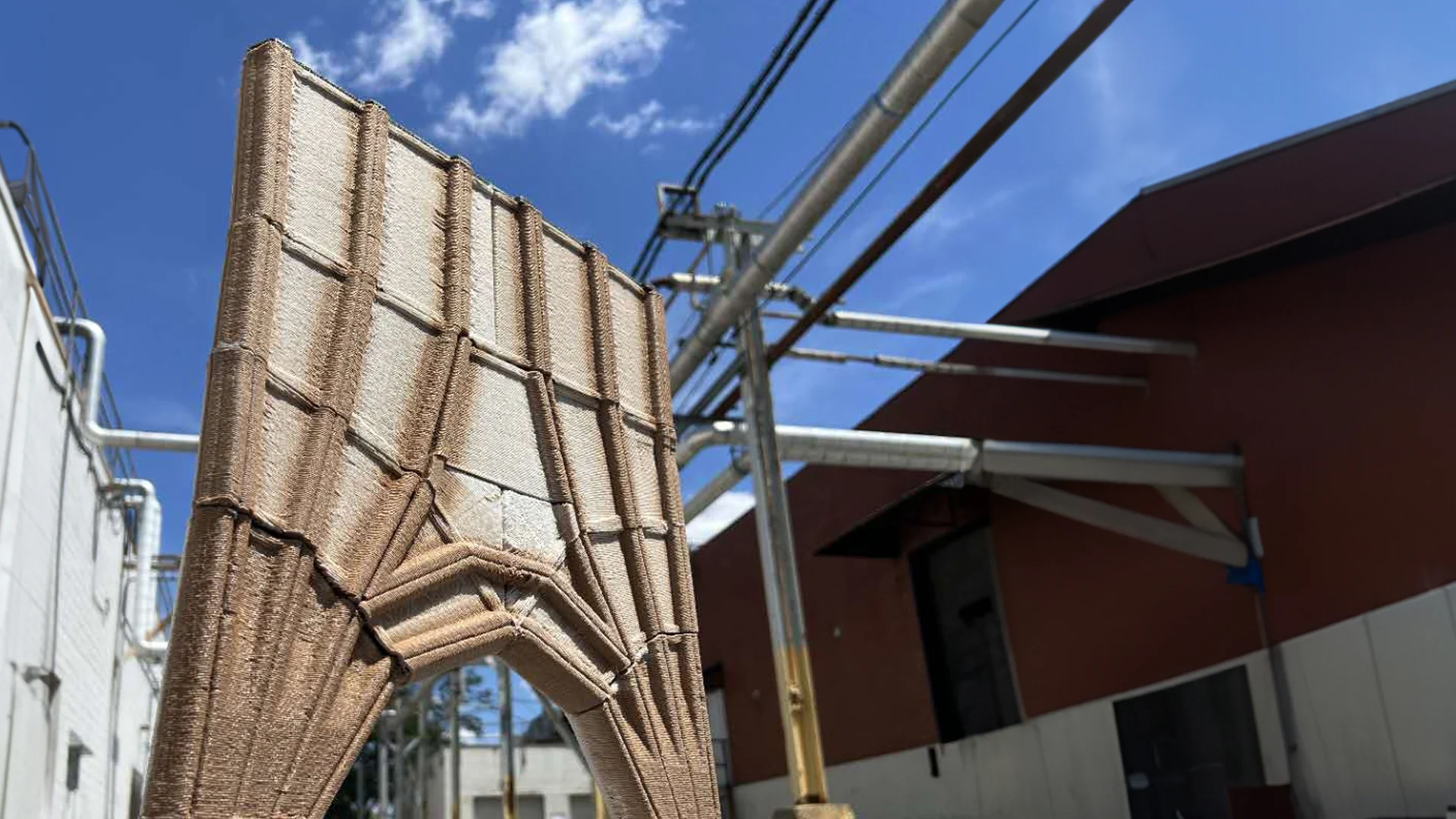
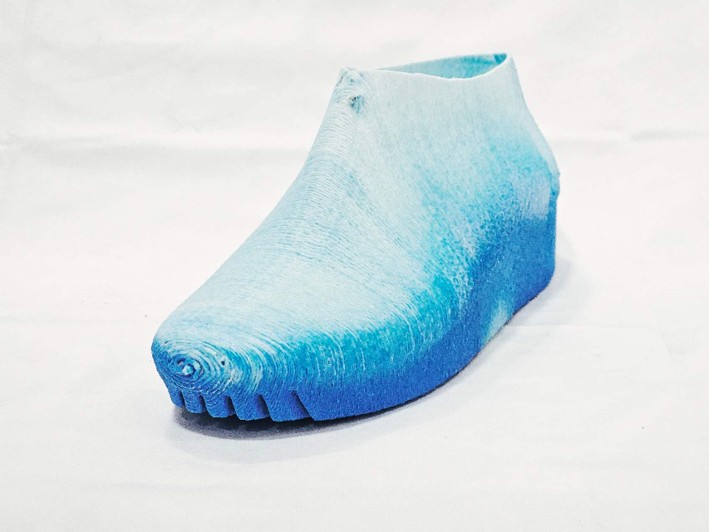
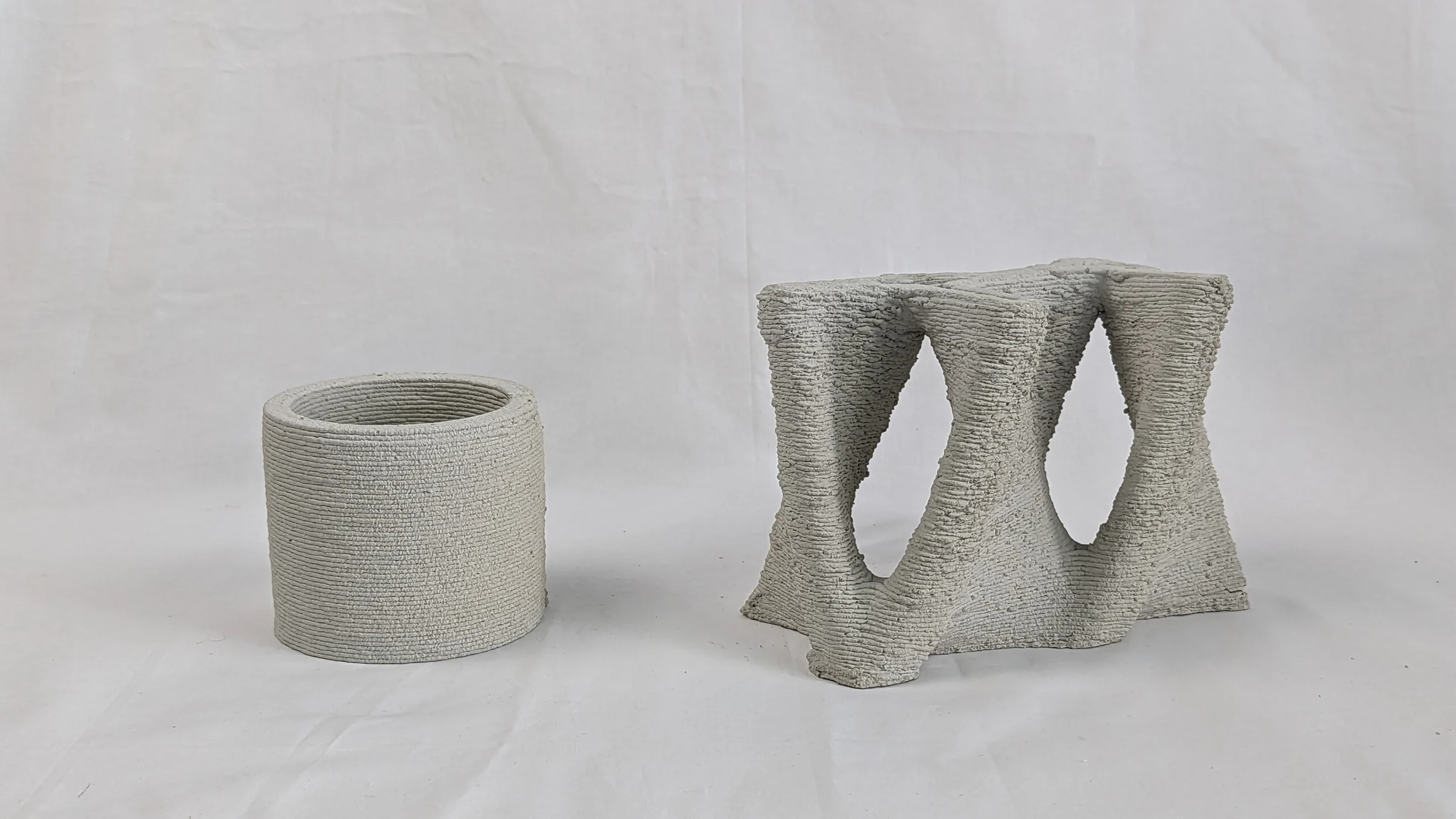
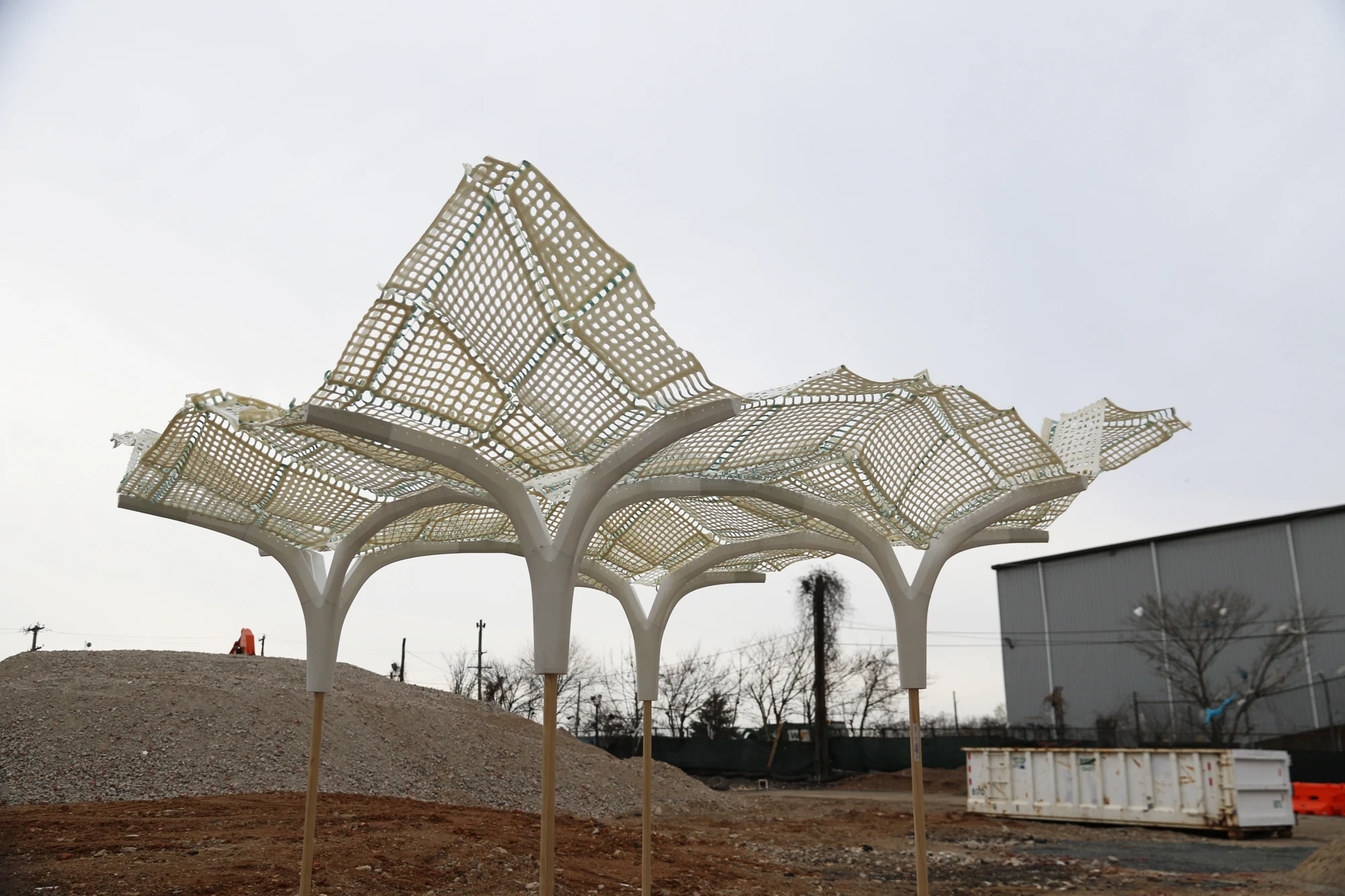
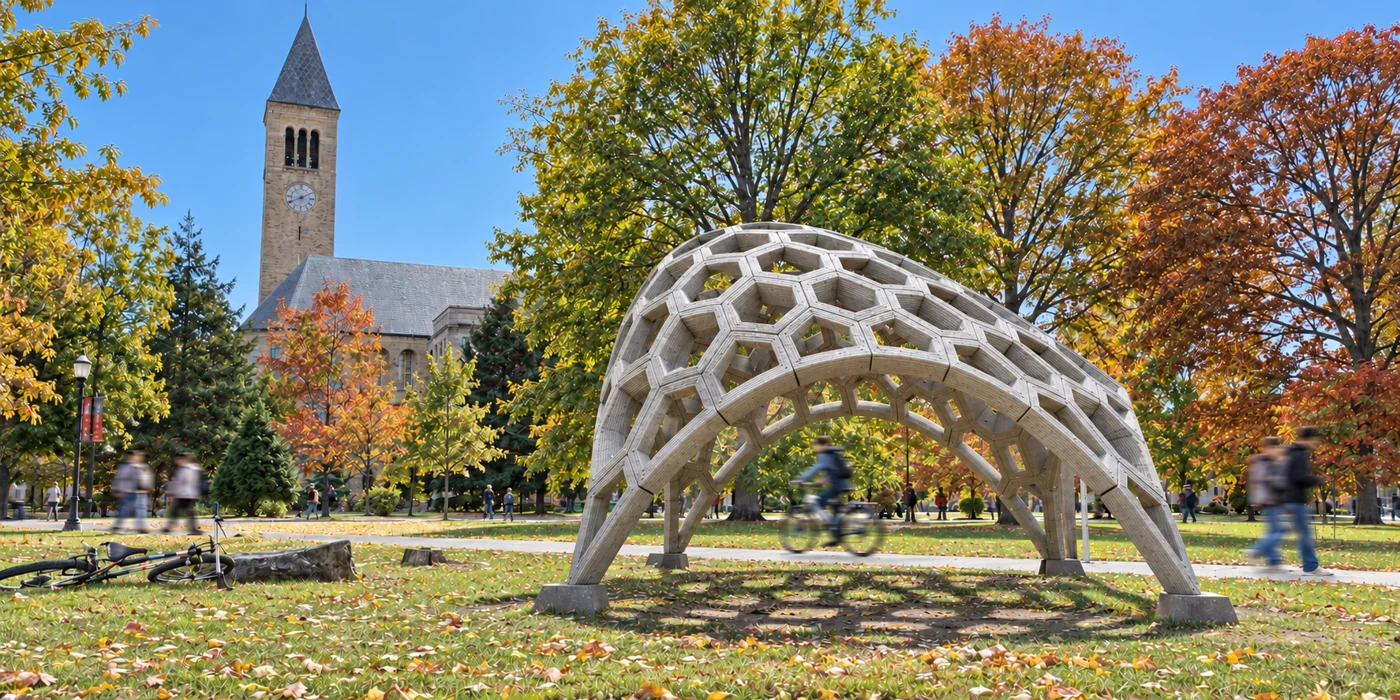
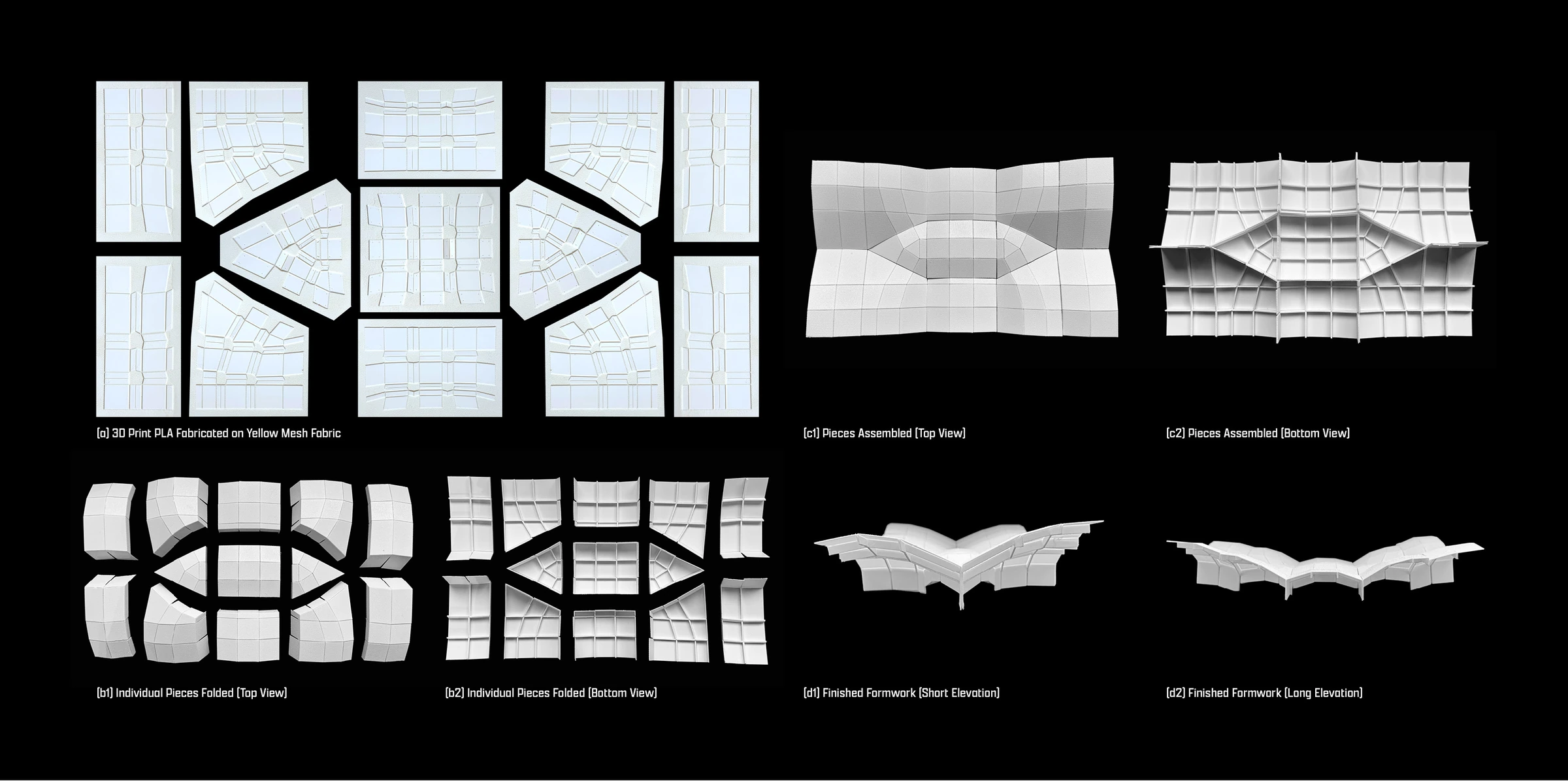
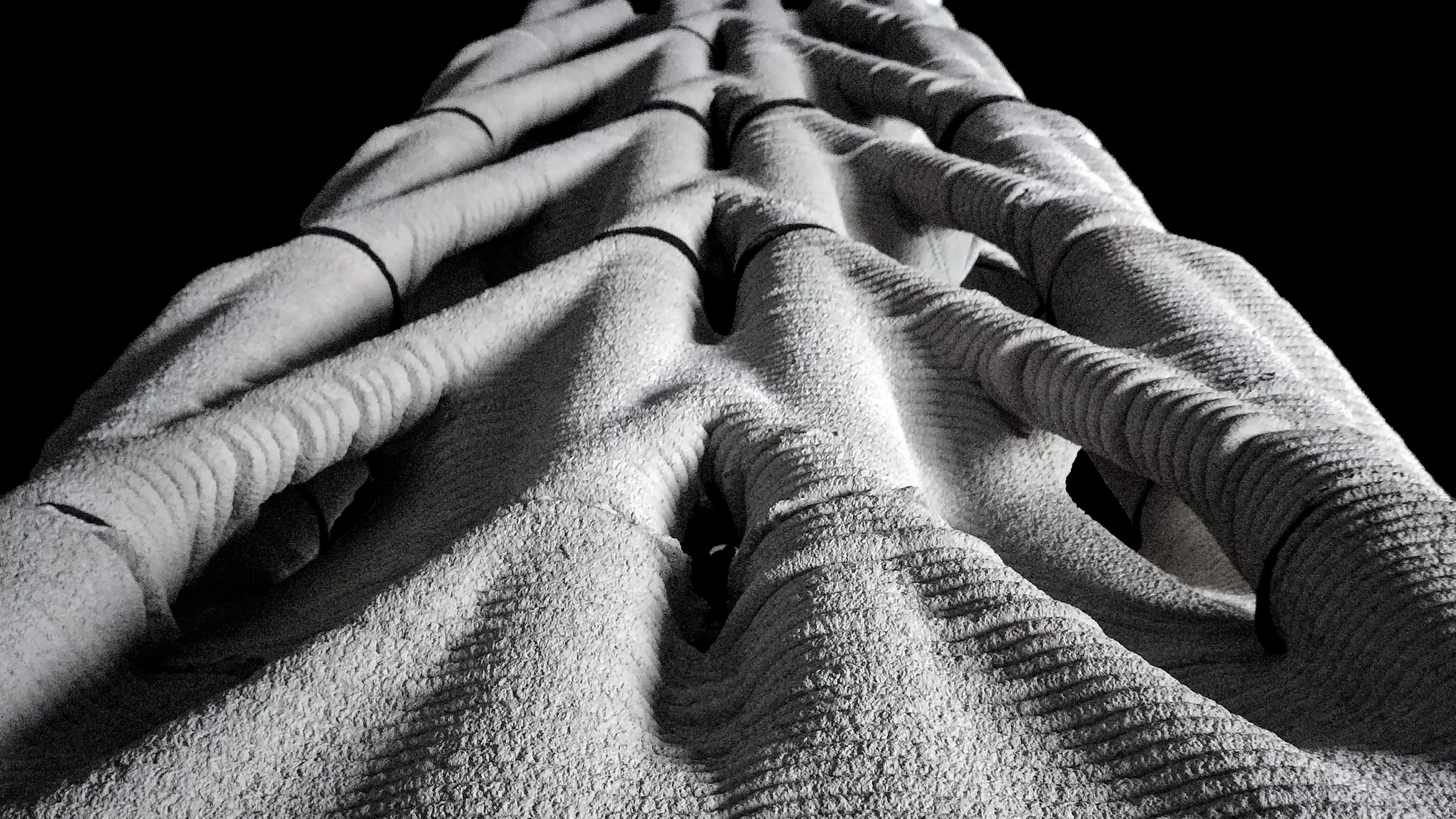
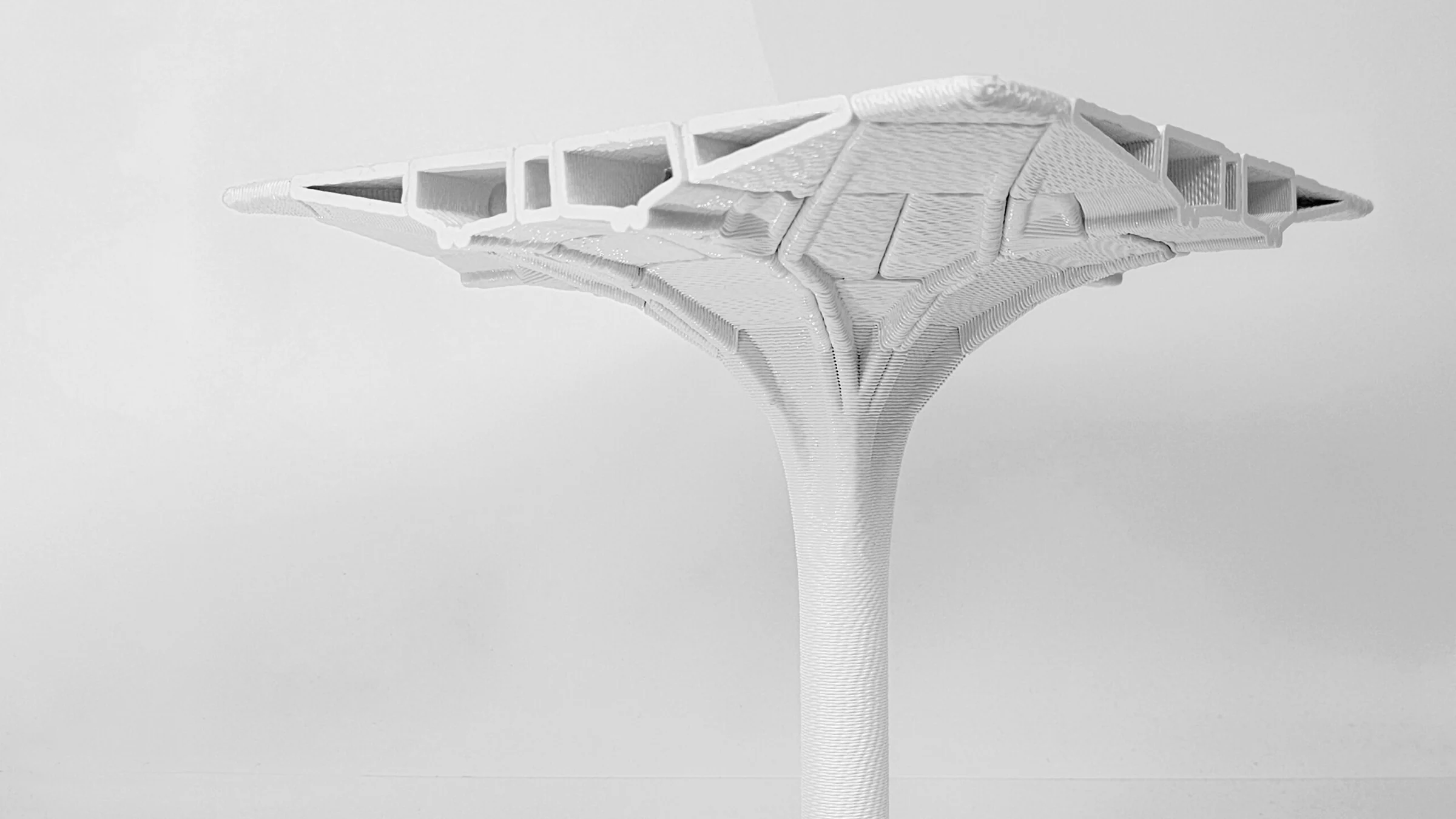
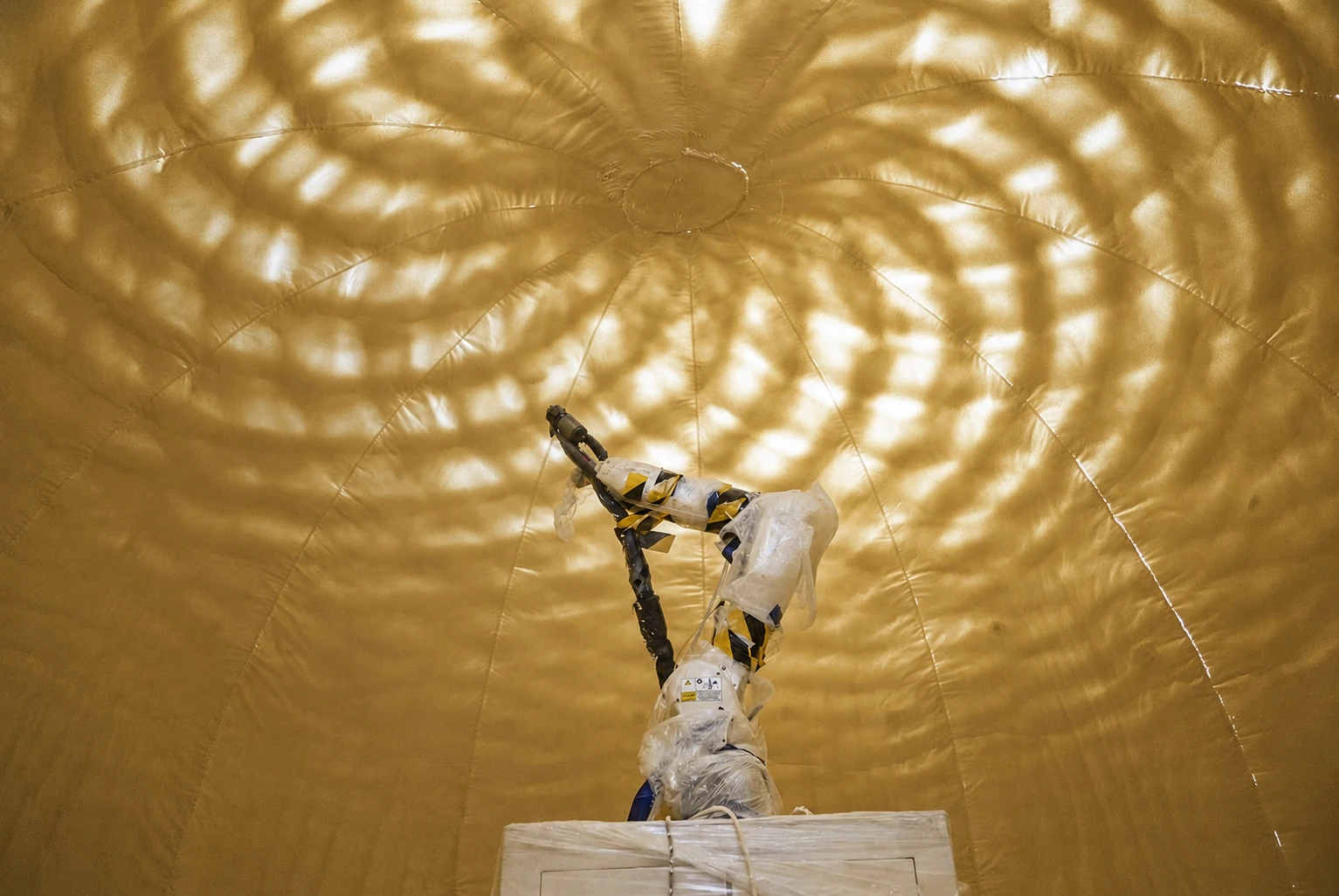
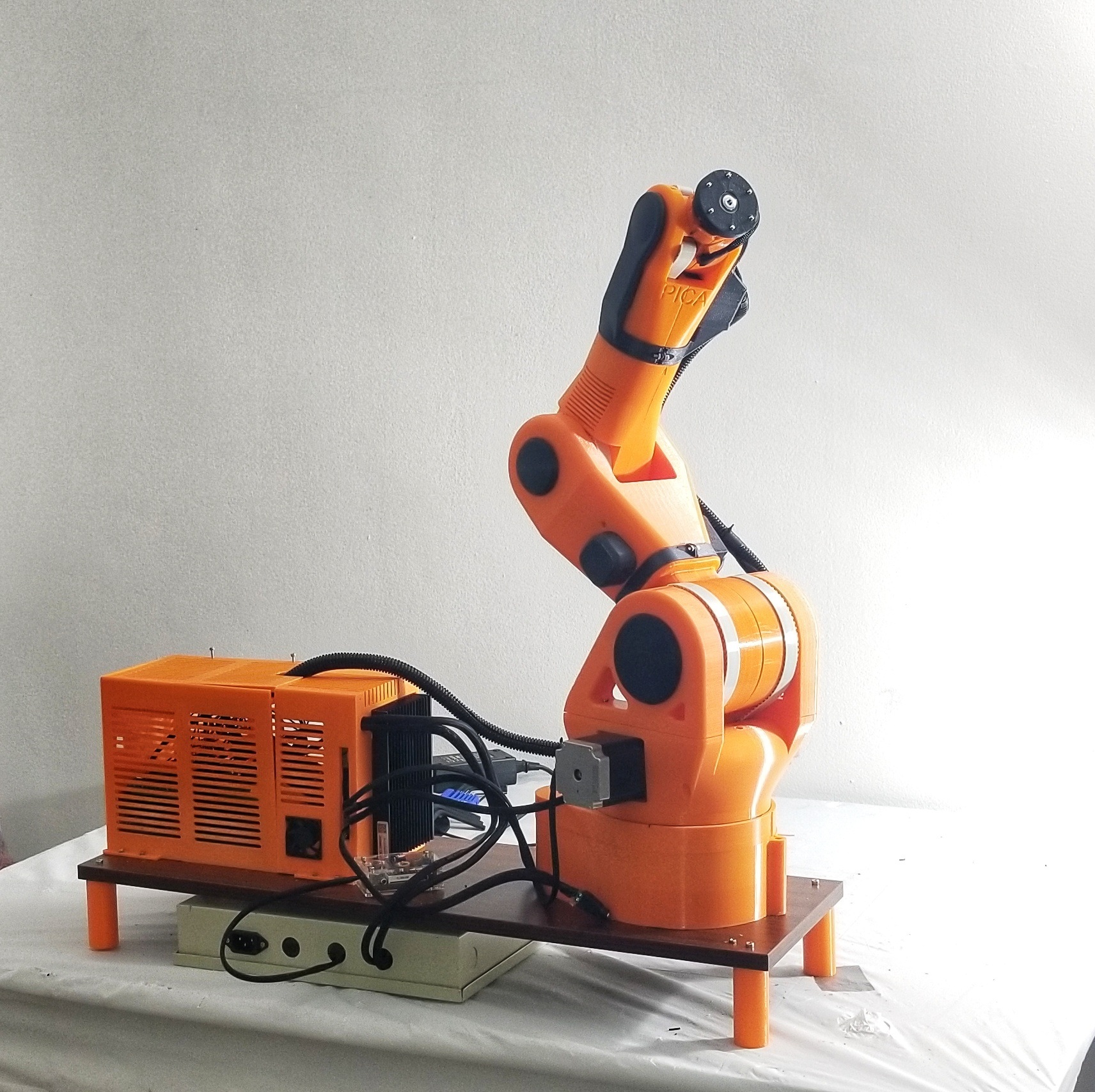
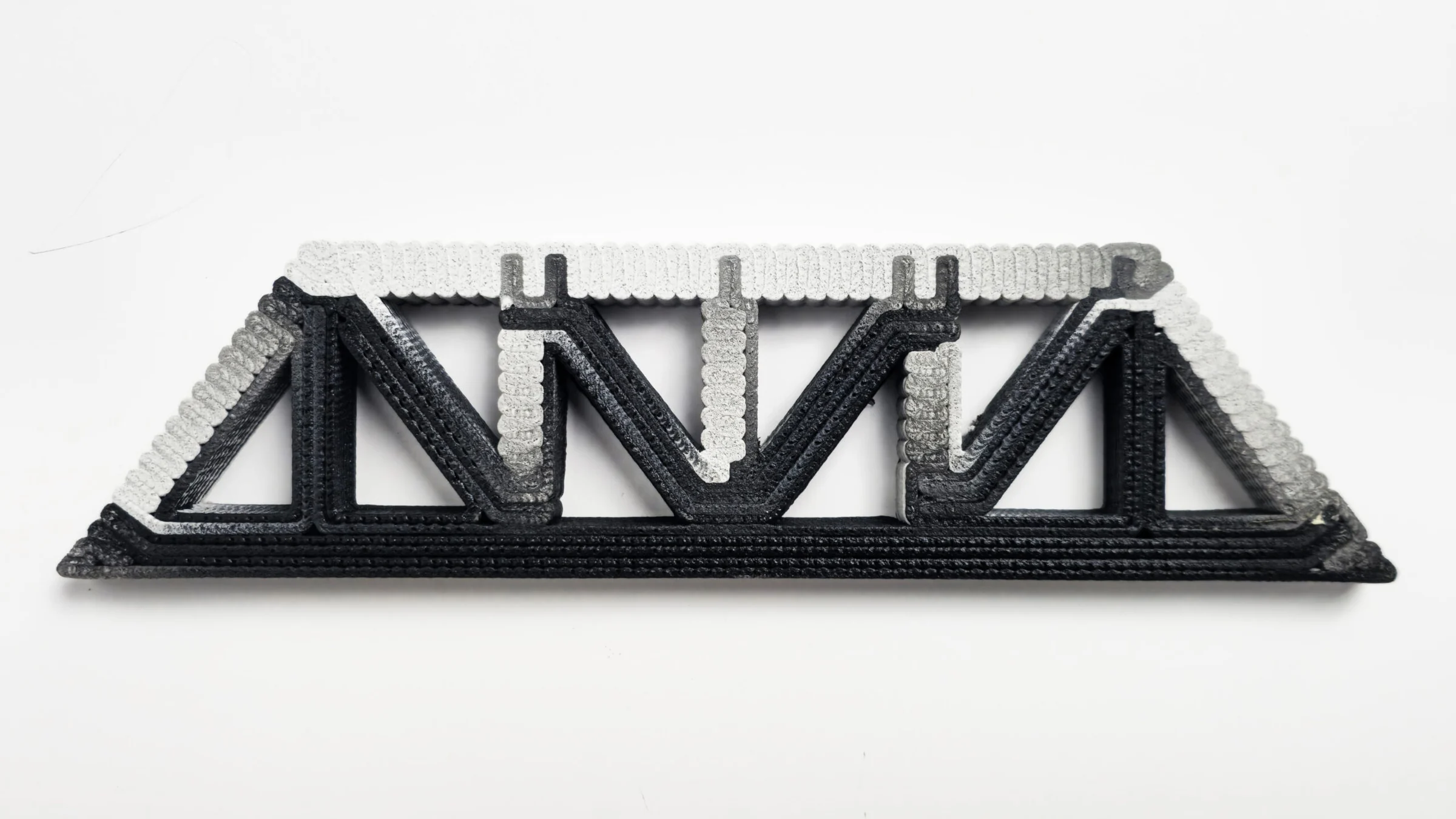
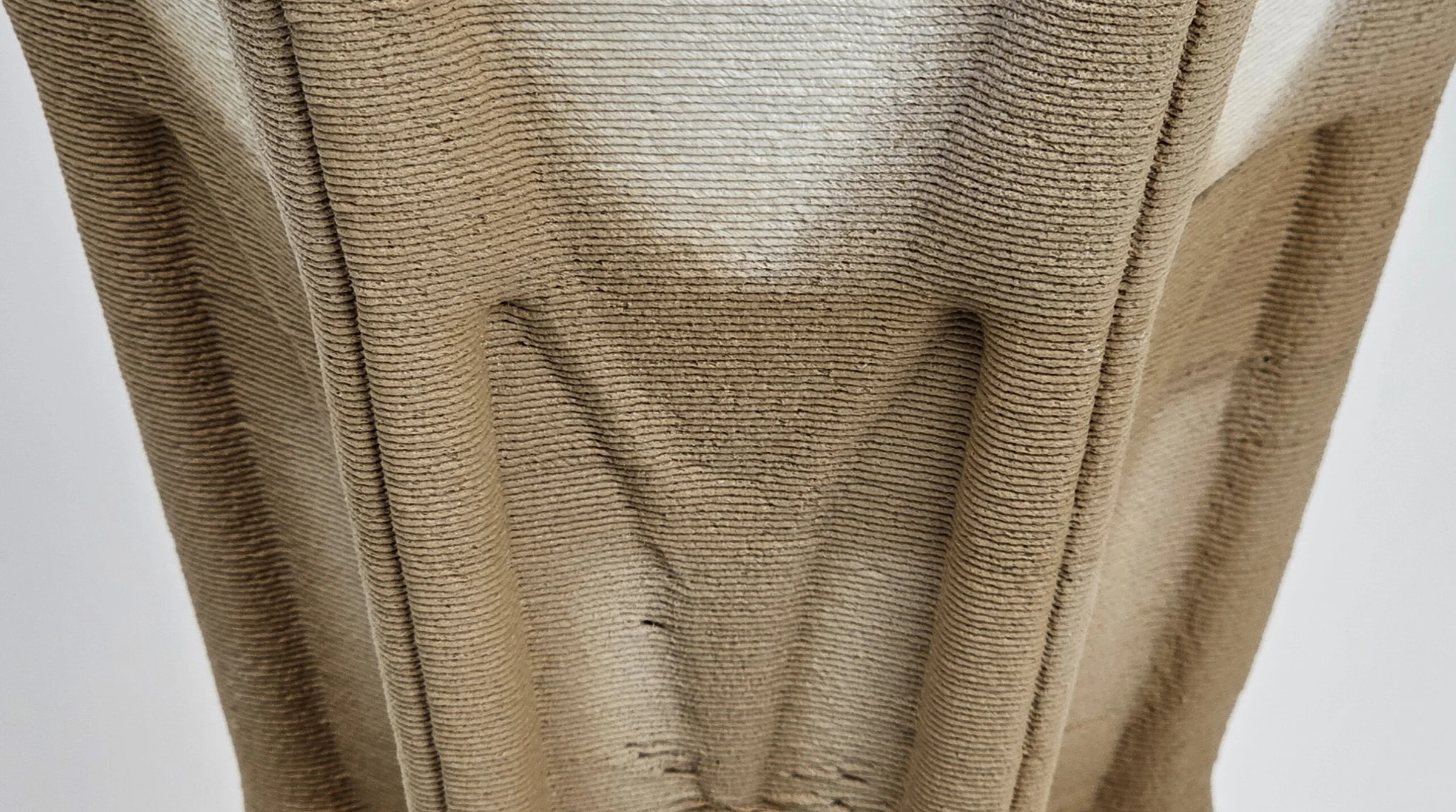
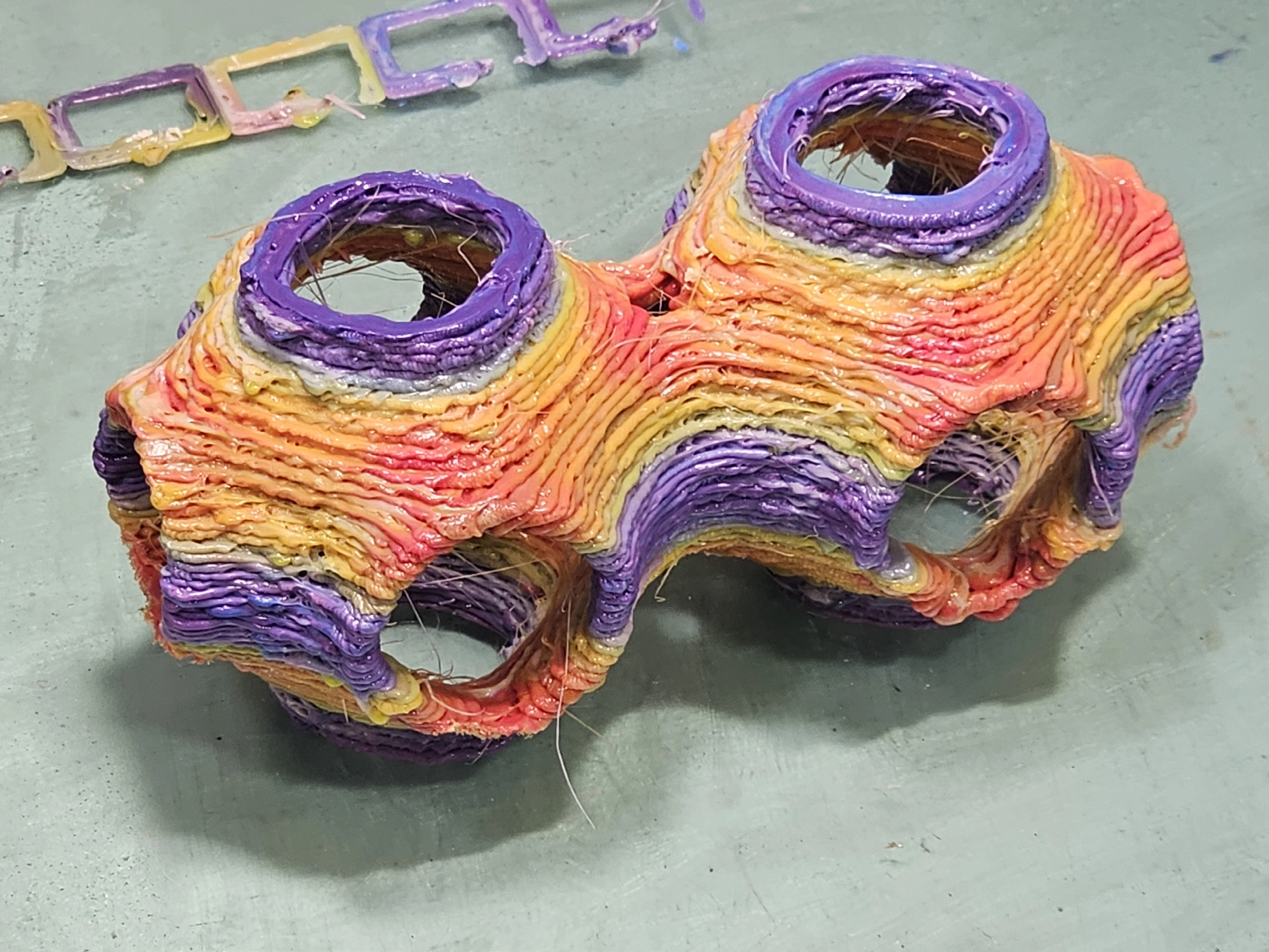
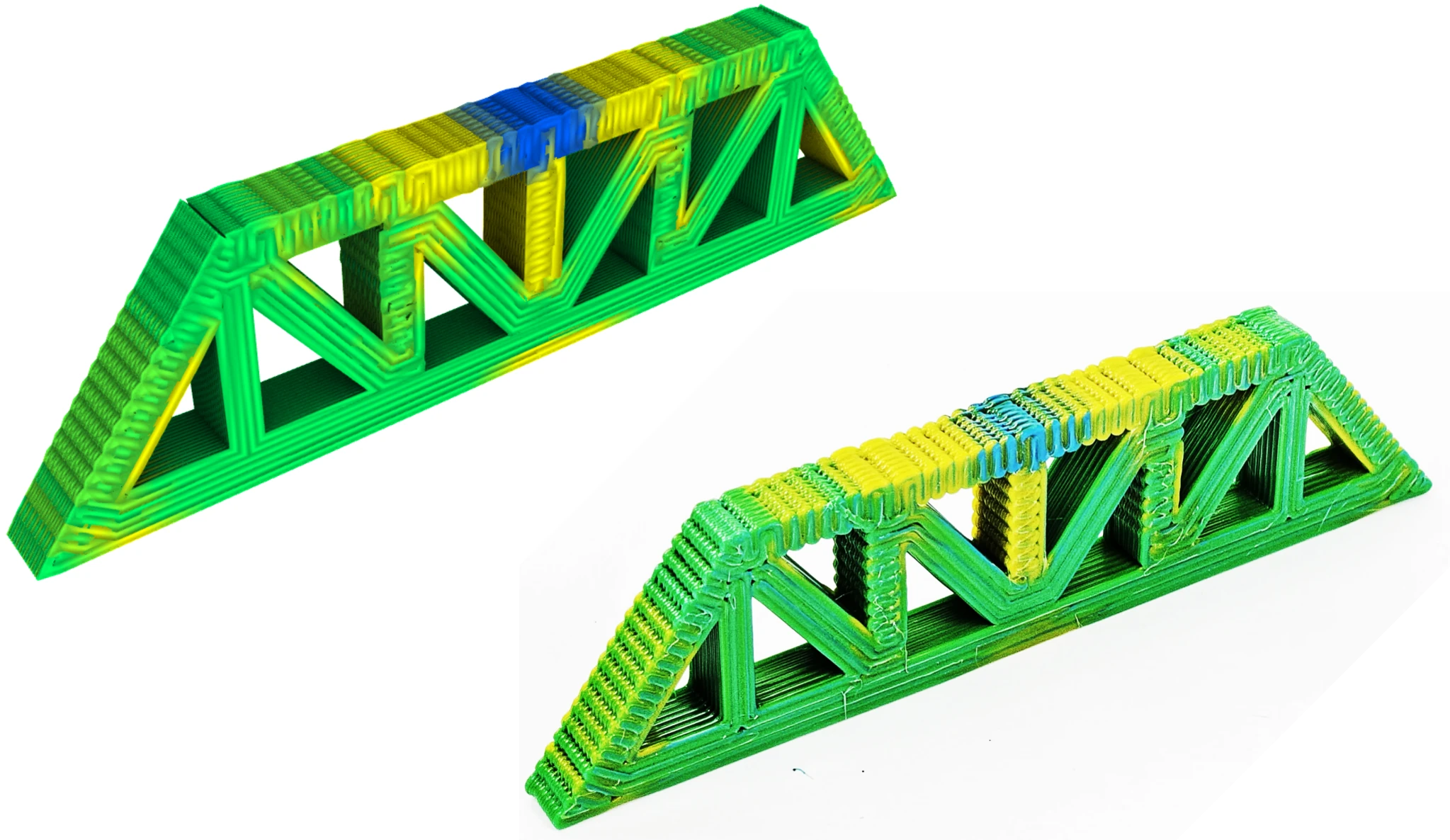
My research develops materiality as an active dimension of computational design alongside morphology and topology. When materials are treated as fixed, homogeneous inputs, performance is adjusted primarily through geometry and connectivity. Making material composition, distribution, and transitions designable expands this space: material variation can tune responses within a given geometry, generate form through differential behavior, and physically realize connections between members. I develop computational methods, fabrication systems, and physical experiments to investigate these possibilities, connecting local material decisions to structural behavior and architectural construction.
How can material composition and placement respond to different structural and functional demands?
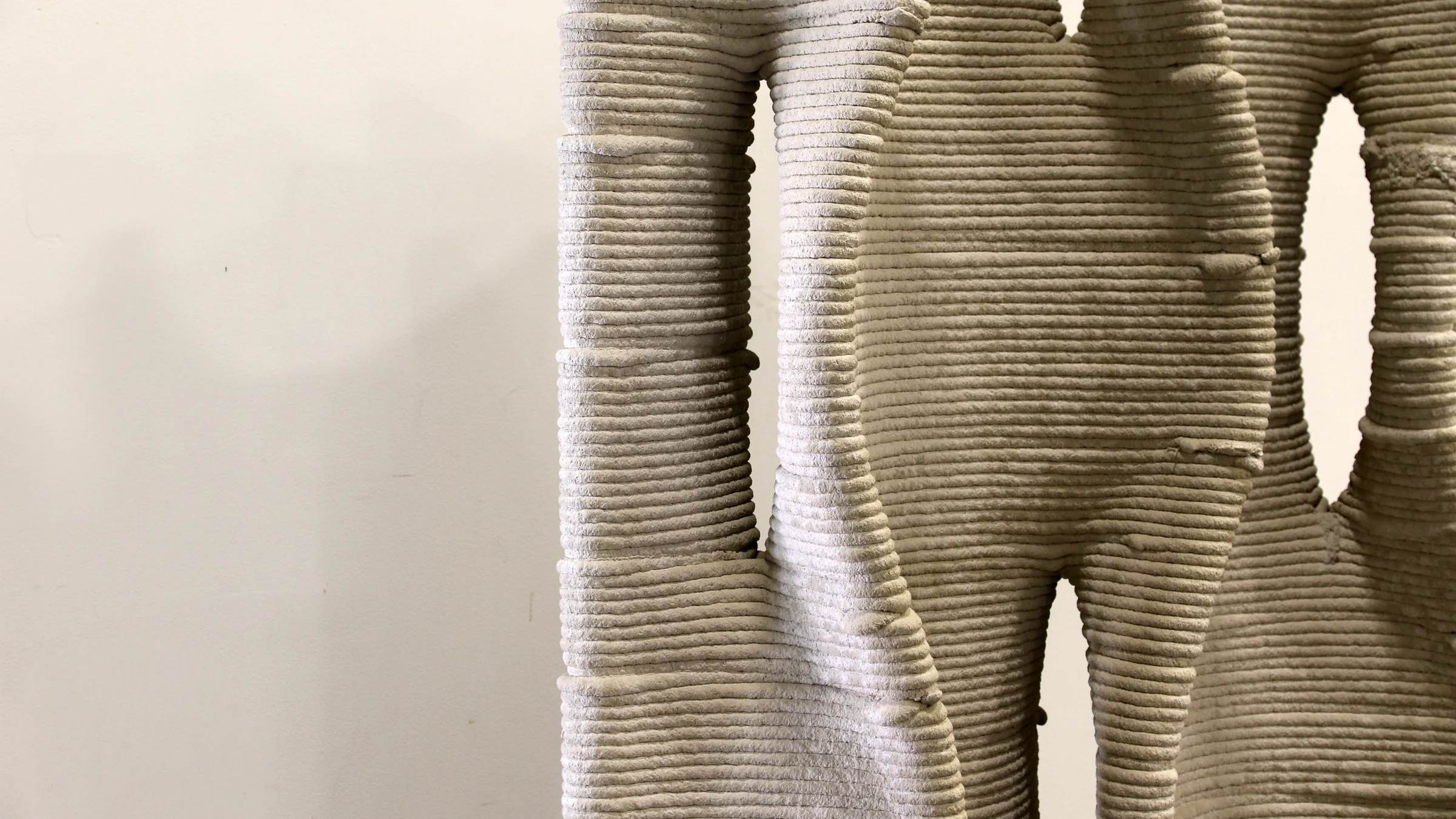
How do material response, local deformation, and geometric constraints contribute to spatial form?
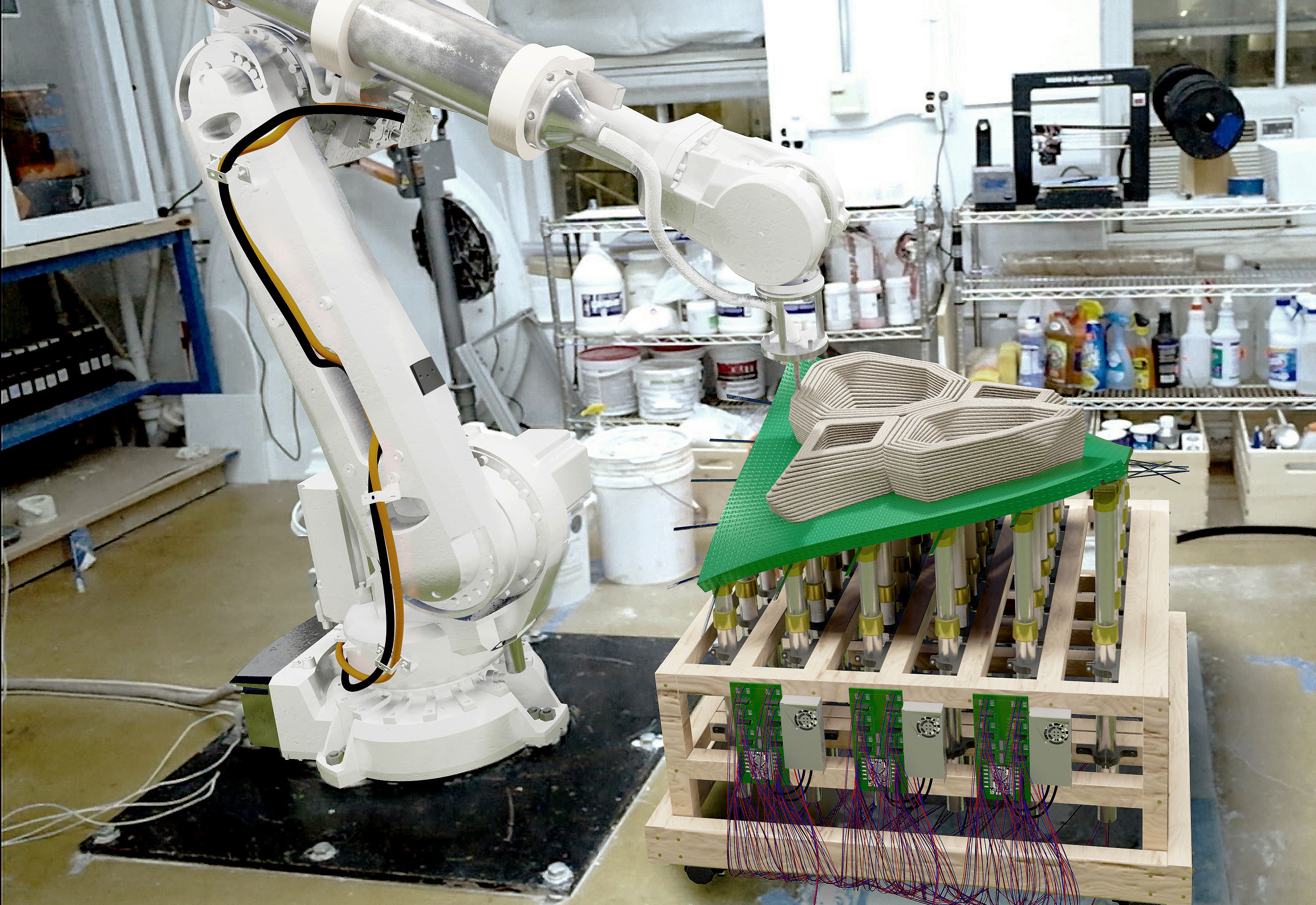
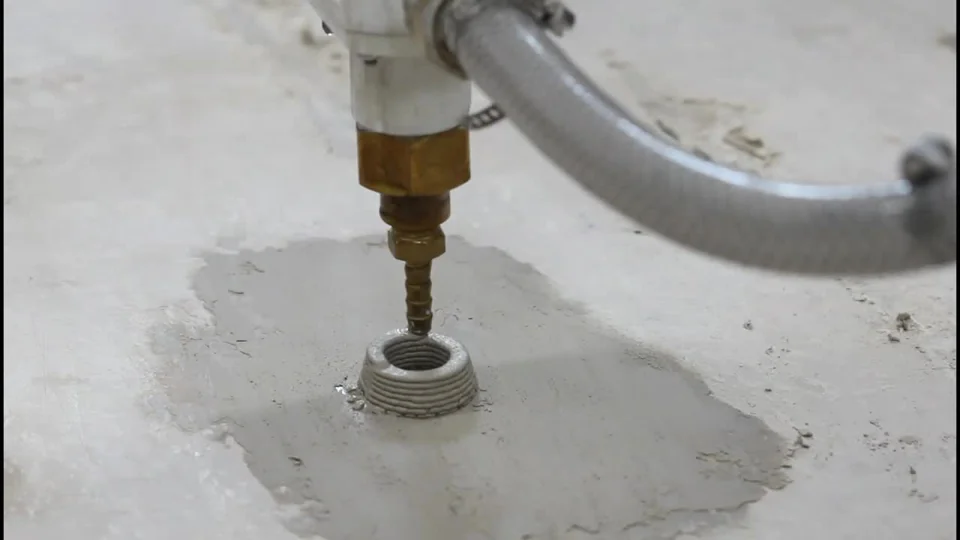
How can computation and fabrication make designed material distributions and transitions physically controllable?
Research2021–2025
Research2026
Research2026
Research2022–2025
Research2025
Research2022
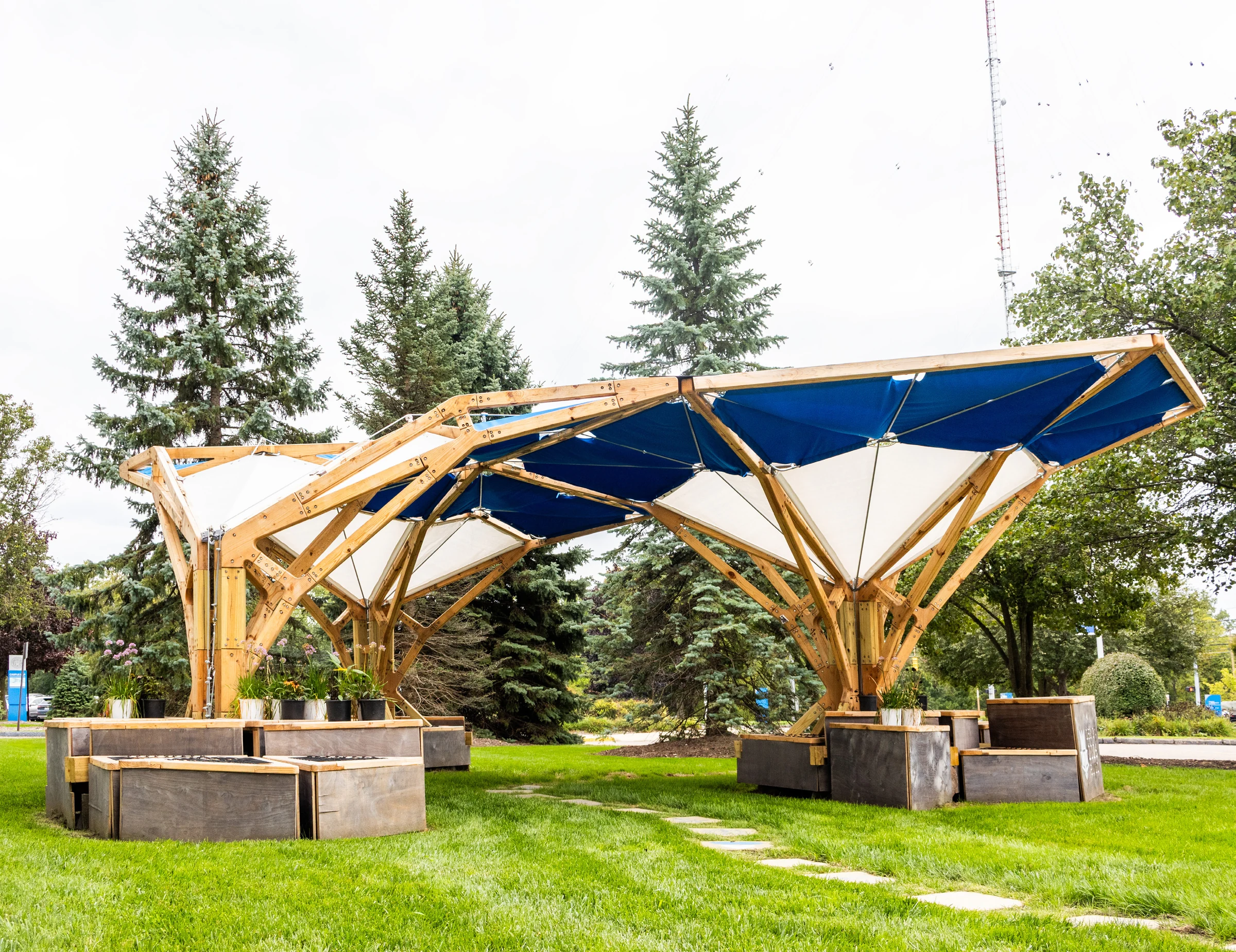
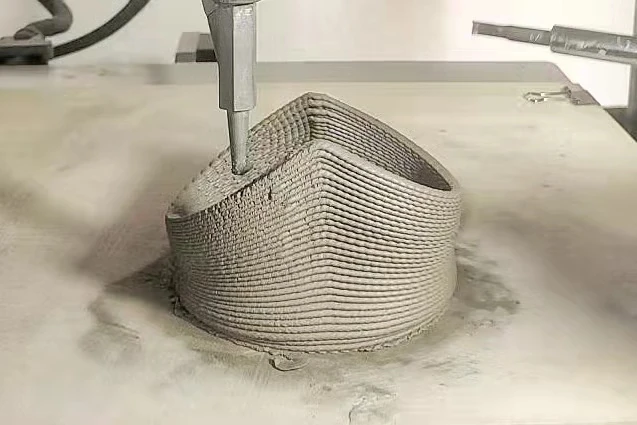
How do computational form and force become physical assemblies through materials, joints, and construction sequences?
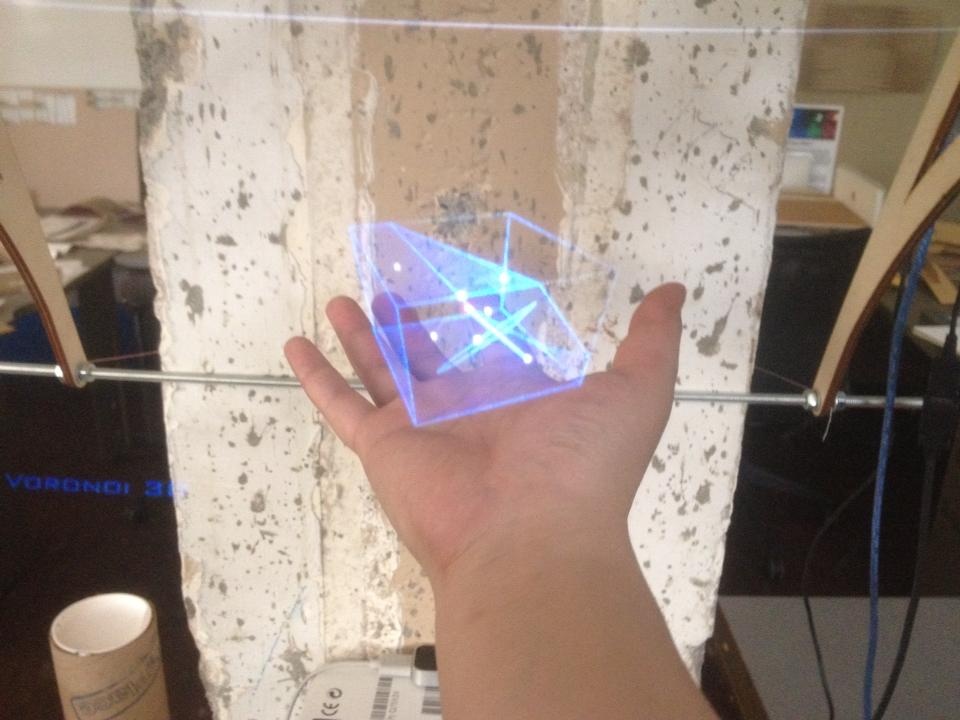
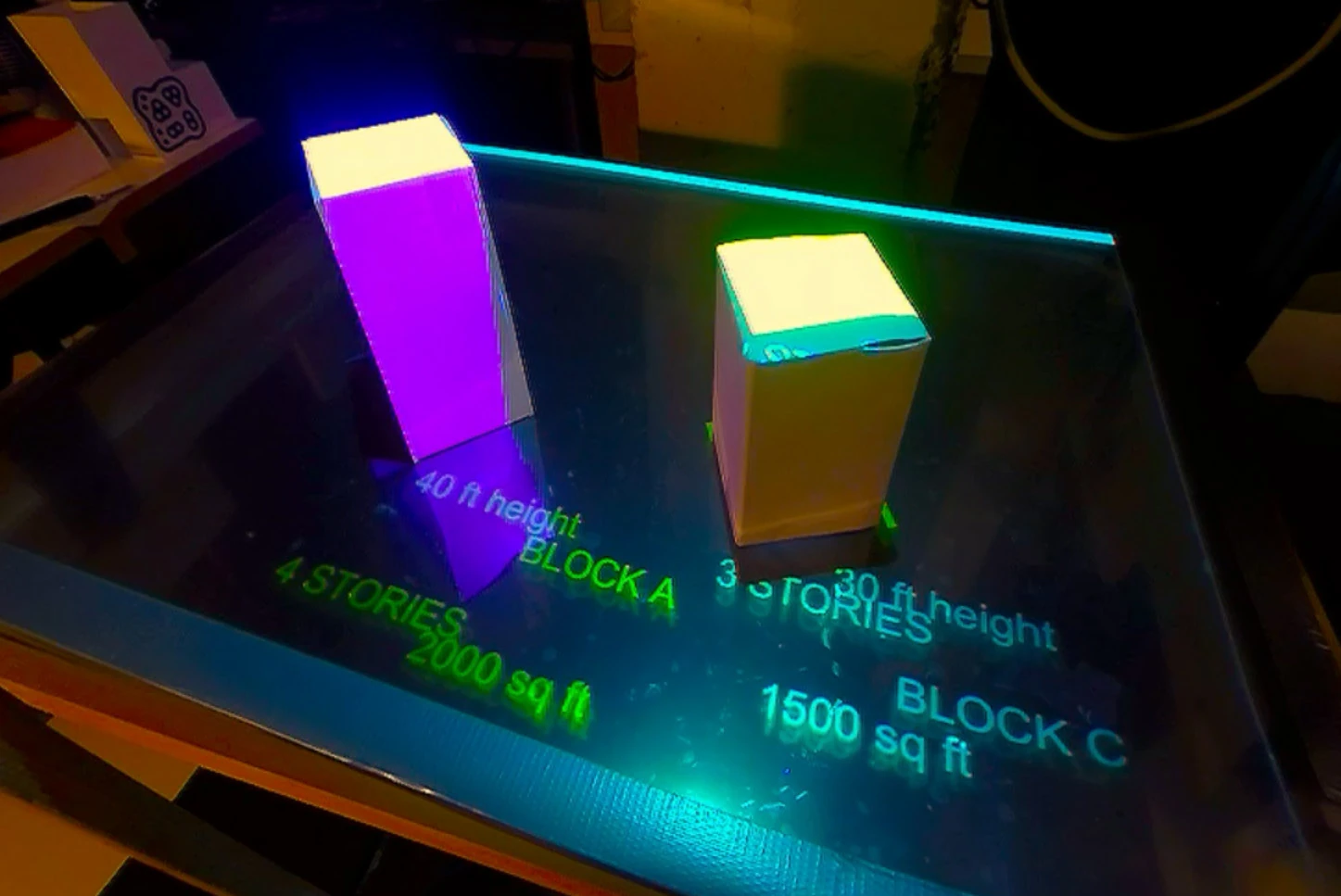
Interfaces for exploring design alternatives, coordinating fabrication, and managing research workflows.
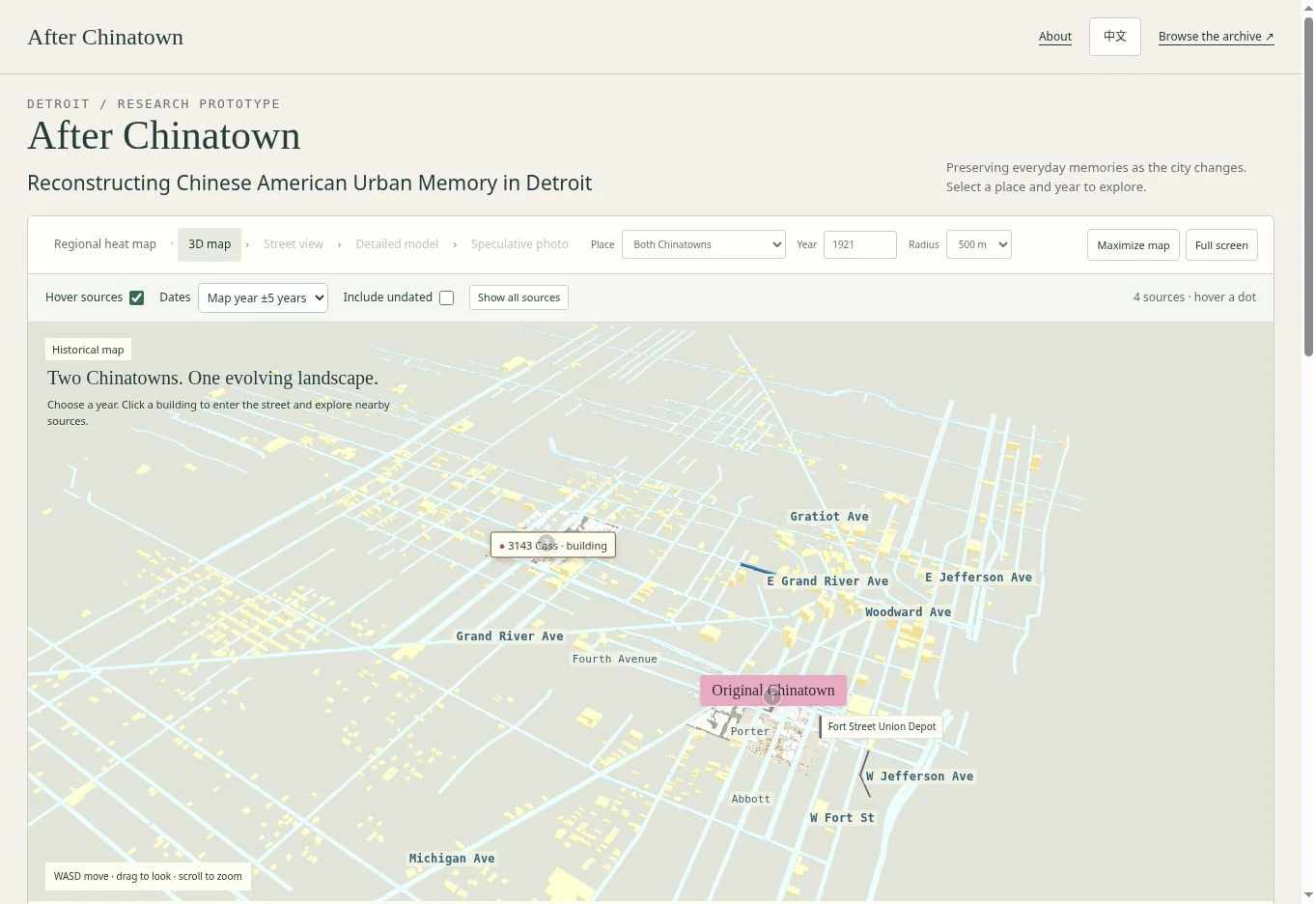
An independent research direction connecting urban memory, historical evidence, and spatial computation.
Research · Projects · Teaching
Explore Teng’s work with an AI guide. Answers link to the published portfolio. English or 中文.
AI can make mistakes. Check the linked sources. Questions are processed by Google Gemini; avoid sharing private information.